Investment Casting
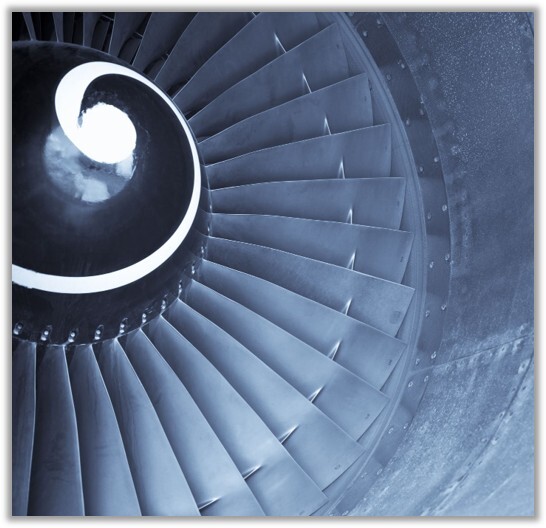
Investment casting, also known as lost-wax casting, is a precision casting process used to create intricate and complex metal parts from high-performance alloys, including aerospace turbine blades. This method is ideal for producing components with intricate geometries and high dimensional accuracy that are often required in aerospace applications. Here is a detailed breakdown of the investment casting process specifically for manufacturing aerospace turbine blades:
1. Master Pattern Creation
Design and Development: The process begins with the creation of a detailed 3D model of the turbine blade, typically designed using computer-aided design (CAD) software to ensure precision and optimal aerodynamic performance.
Master Pattern: From the digital model, a master pattern of the turbine blade is produced using a high-precision 3D printer or a CNC machine. Materials commonly used for the pattern include wax, resin, or a plastic that can be easily melted or burned out.
2. Mold Making
Shell Building: The master pattern is repeatedly dipped into a ceramic slurry followed by strewing or sprinkling with fine sand or stucco to build a robust ceramic shell around the pattern. This process is repeated several times to build the necessary thickness, each layer allowed to harden before the next is applied.
Drying and Hardening: Once the ceramic shell is thick enough, it is dried and hardened to prepare for the wax removal stage. The integrity of this ceramic mold is crucial as it must withstand the molten metal's temperature during casting.
3. Wax Removal
Dewaxing: The ceramic shell with the wax pattern inside is placed in an autoclave or a furnace, where high heat is applied to melt and drain away the wax. This leaves behind a hollow ceramic mold. This step must be carefully controlled to prevent the ceramic mold from cracking due to thermal stress.
4. Metal Casting
Molten Metal Preparation: Metal alloys suitable for the turbine blade, typically nickel or titanium-based superalloys, are melted in a furnace. These alloys are chosen for their high-temperature strength and resistance to thermal creep deformation.
Pouring: The molten metal is poured into the preheated, hollow ceramic mold. Gravity or vacuum may be used to ensure the molten metal fills all intricate features of the mold.
Solidification: After the metal is poured, it is allowed to cool and solidify. The rate of cooling can affect the properties of the metal, such as grain structure, which in turn impacts the strength and performance of the turbine blade.
5. Removal of the Ceramic Shell
Shell Removal: Once the metal has cooled and solidified, the ceramic mold is broken away from the metal part. This is often done using vibration or a water jet. The ceramic material is typically not reusable.
6. Finishing Operations
Cutting and Machining: Any gates or runners used in the casting process are removed, and the turbine blade may undergo further machining to achieve precise dimensions and surface finish.
Heat Treatment: Heat treatments may be applied to enhance mechanical properties such as strength and durability.
Inspection and Testing: Finally, the turbine blade undergoes rigorous testing and inspection, including dimensional accuracy, material composition, and mechanical properties to ensure it meets all specifications.
7. Surface Treatments
Coating: Additional coatings might be applied to the blade to enhance its resistance to oxidation and corrosion at high temperatures. Common coatings include aluminide and ceramic layers.
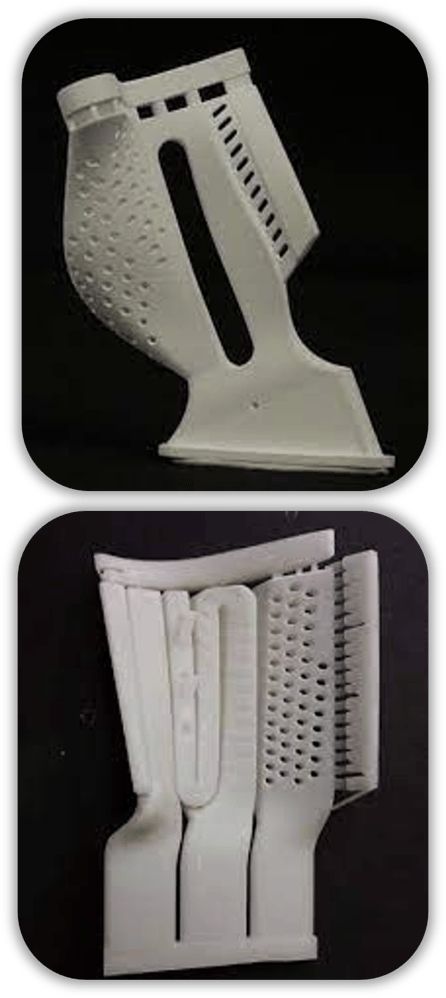
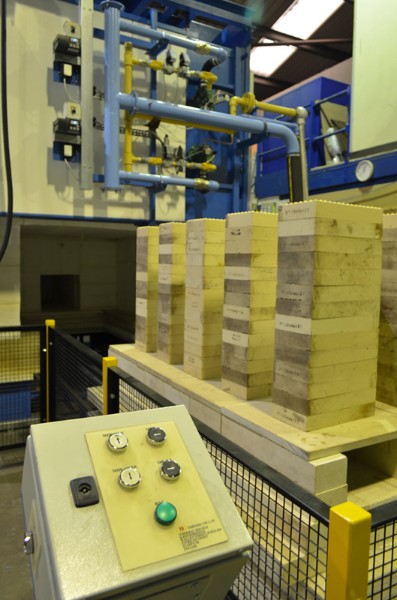
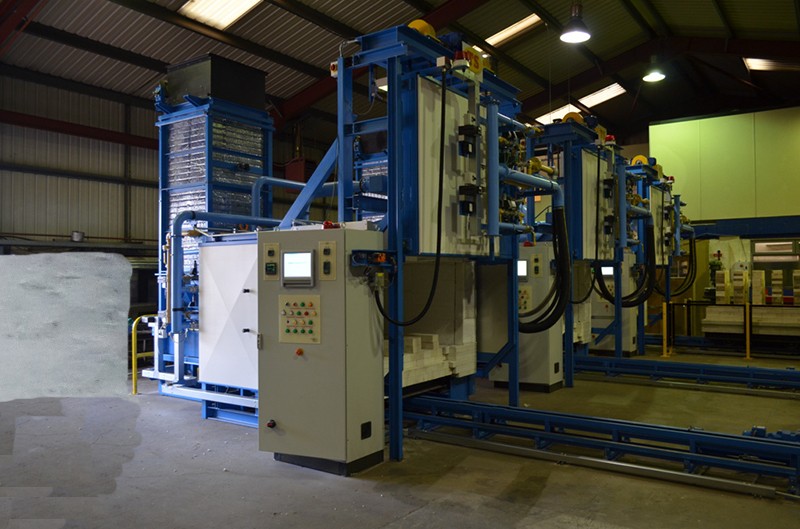
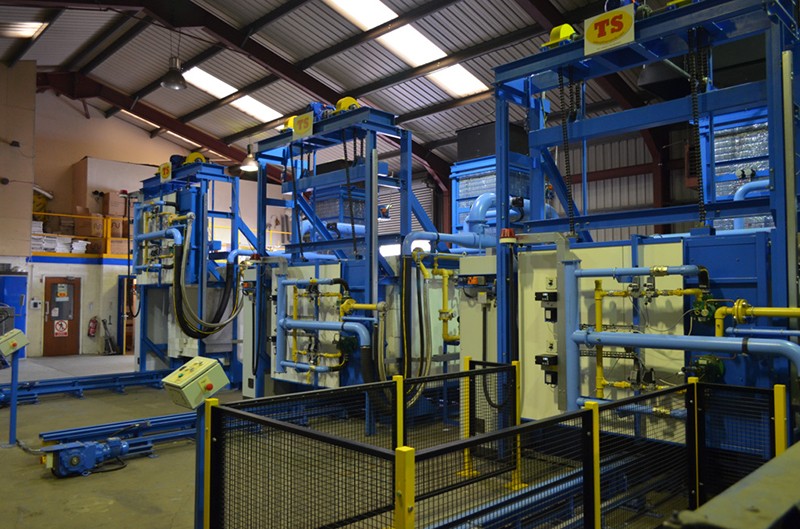
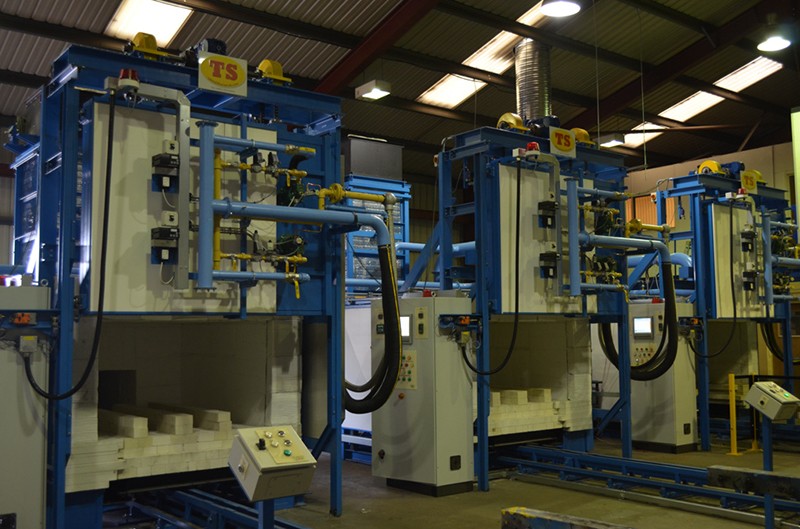
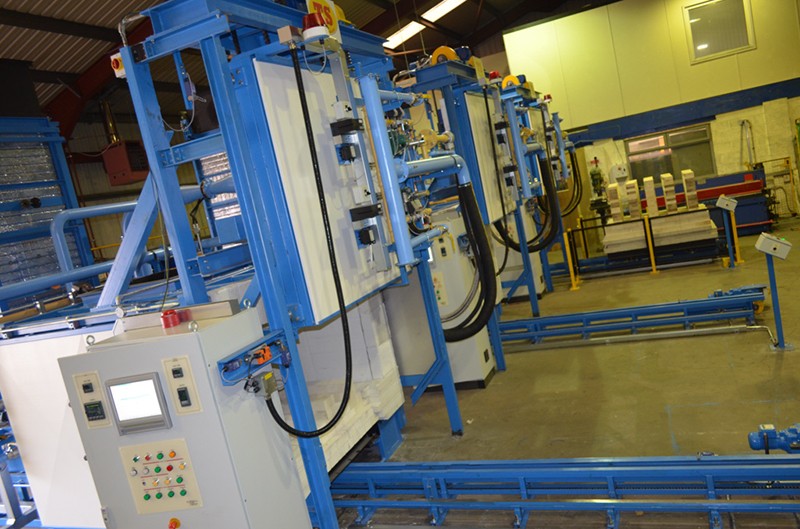
Kilns are specialized high-temperature ovens used in the ceramic industry to harden or sinter ceramic materials. In the production of ceramic cores for aerospace applications, kilns play a critical role, not only in the final sintering phase but also during the curing of the cores. The ability of a kiln to consistently reach and maintain specific temperatures and atmospheric conditions is essential for producing ceramic cores that meet strict aerospace standards.
Types of Kilns Used in Ceramic Core Production
There are several types of kilns used in the sintering and curing of ceramic cores, each with its own set of advantages and capabilities:
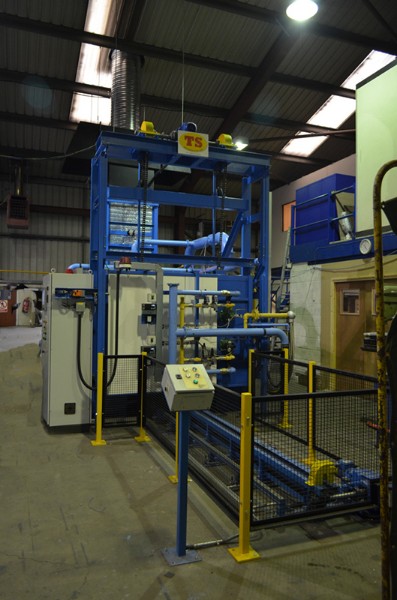
Continuous Kilns: These kilns are designed for mass production, where the ceramic cores move continuously through the kiln on a conveyor belt or rail system. Continuous kilns are highly efficient and can maintain very uniform temperature conditions, making them ideal for large-scale production where consistency is key.
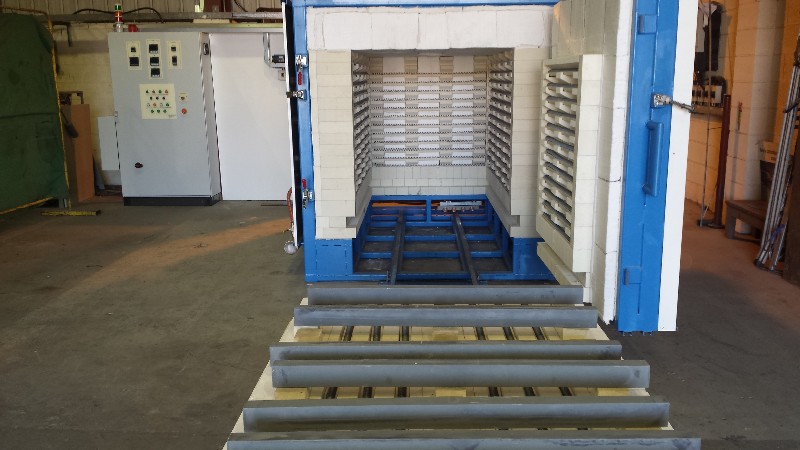
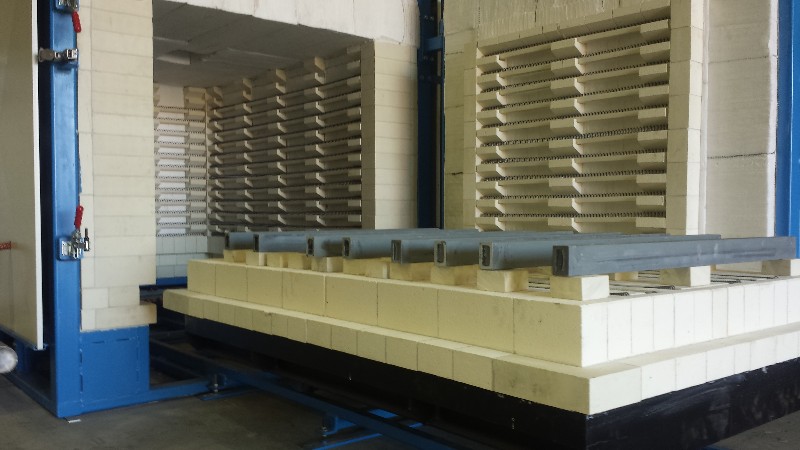
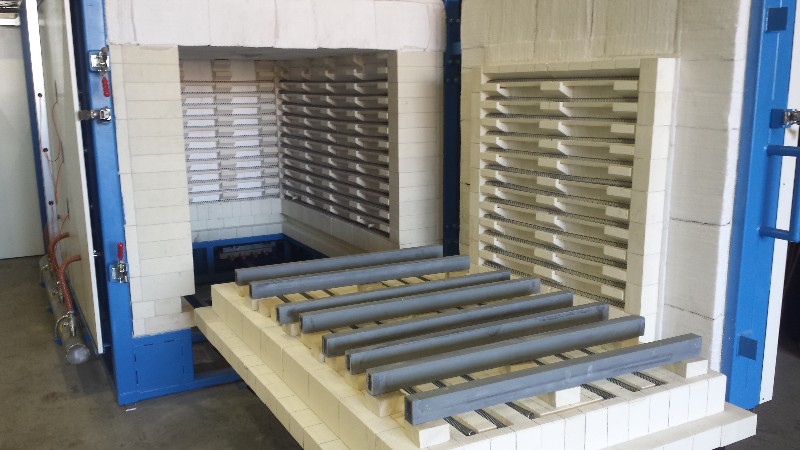
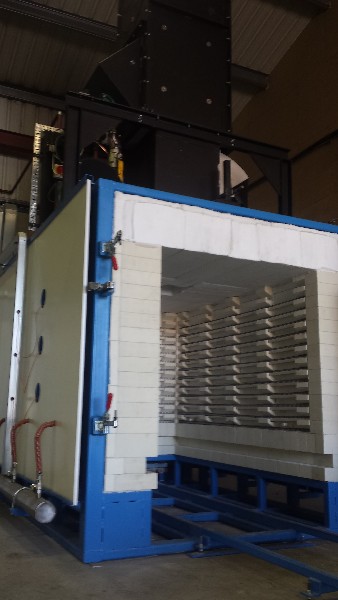
Batch Kilns: Batch kilns heat a single batch of ceramic cores at a time, making them suitable for smaller production runs or for cores that require special handling. These kilns offer greater flexibility in temperature and atmospheric control, which is crucial for high-precision aerospace components.
Electric Kilns: Electric kilns use electric heating elements to achieve high temperatures. They are known for their precise temperature control, which is crucial for achieving the specific properties required in ceramic cores. Electric kilns are often used in environments where reducing the introduction of combustion byproducts is critical.
Gas Kilns: These kilns use natural gas or propane as a heat source. Gas kilns can reach higher temperatures than electric kilns and are often used for sintering ceramics that require very high heat. They can also be adjusted to create specific atmospheric conditions that affect the final properties of the ceramic.




copy.webp)
.webp)
copy.webp)
.webp)
%20-%20Copy.webp)
.webp)

.svg "Untitled design (12)")
.svg "Untitled design (18)")
.svg "Untitled design (13)")
.svg "Untitled design (16)")
.svg "Untitled design (20)")
.svg "Untitled design (21)")
.svg "Untitled design (19)")
.svg "Untitled design (14)")